What Is a Backflow Preventer? Everything Kansas City Homeowners Need to Know
 If you have an irrigation system, you’ve probably heard the term backflow test and wondered:
“What exactly is a backflow preventer… and why do I have to test it every year?”
The answer is simple: it’s one of the most important safety devices on your sprinkler system.
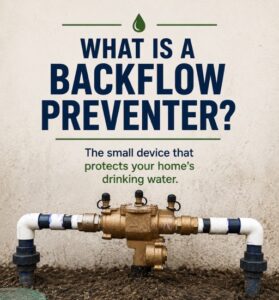
A backflow preventer helps protect your home’s drinking water by preventing contaminated water from flowing backward into your household plumbing or the public water supply.
Although it’s a relatively small part of your irrigation system, it plays a huge role in protecting your family, your neighbors, and the community’s water supply.
What Is a Backflow Preventer?
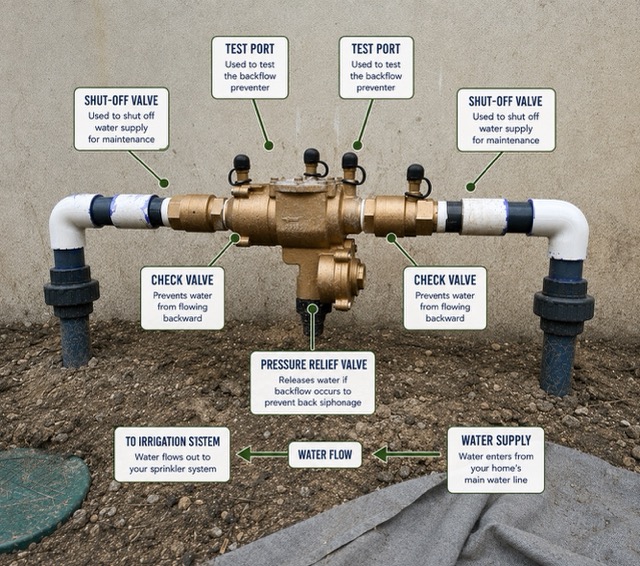
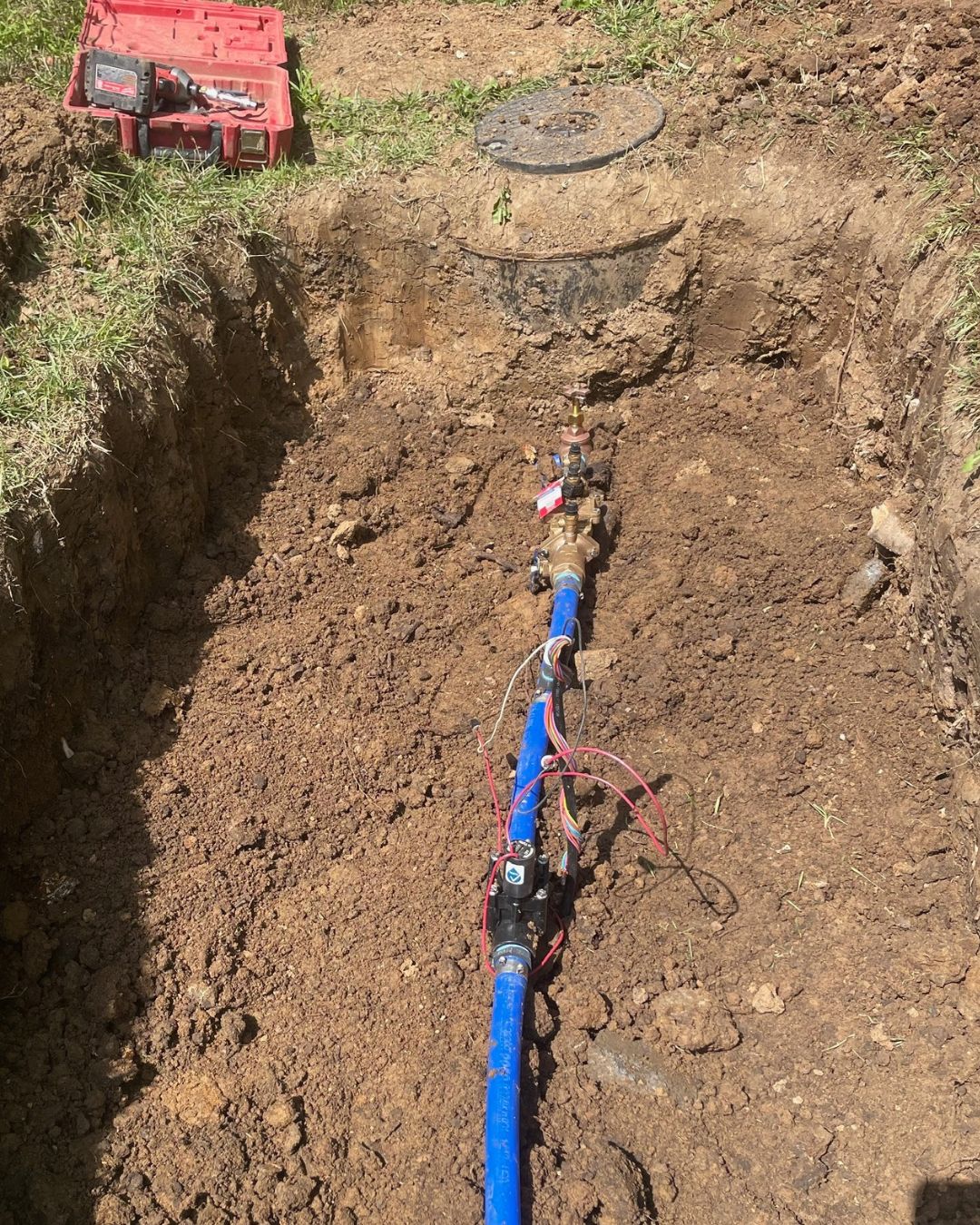 A backflow preventer is a mechanical valve installed where your sprinkler system connects to your home’s water supply.
Its job is to make sure water flows in one direction only—from your home’s plumbing to your irrigation system.
If water pressure suddenly drops in the public water system—perhaps because of a water main break, a nearby fire hydrant being used, or maintenance on the municipal water supply—water can begin flowing in the opposite direction.
This is called backflow.
Without a properly functioning backflow preventer, that reverse flow could allow contaminated irrigation water to enter your home’s plumbing or even the municipal drinking water system.
That’s exactly what the backflow preventer is designed to prevent.
Why Is Backflow a Problem?
 Your sprinkler system delivers water to your lawn and landscape, but that water comes into contact with many things you wouldn’t want in your drinking water.
These may include:
- Fertilizers
- Weed control products
- Pesticides
- Dirt and sediment
- Standing water
- Animal waste
- Bacteria and other contaminants
If backflow occurs and your backflow preventer isn’t working properly, those contaminants could potentially be drawn back into your plumbing system.
Fortunately, a properly functioning backflow preventer acts as a barrier, helping protect both your home’s water supply and the public water system.
Why Does a Backflow Preventer Need to Be Tested Every Year?
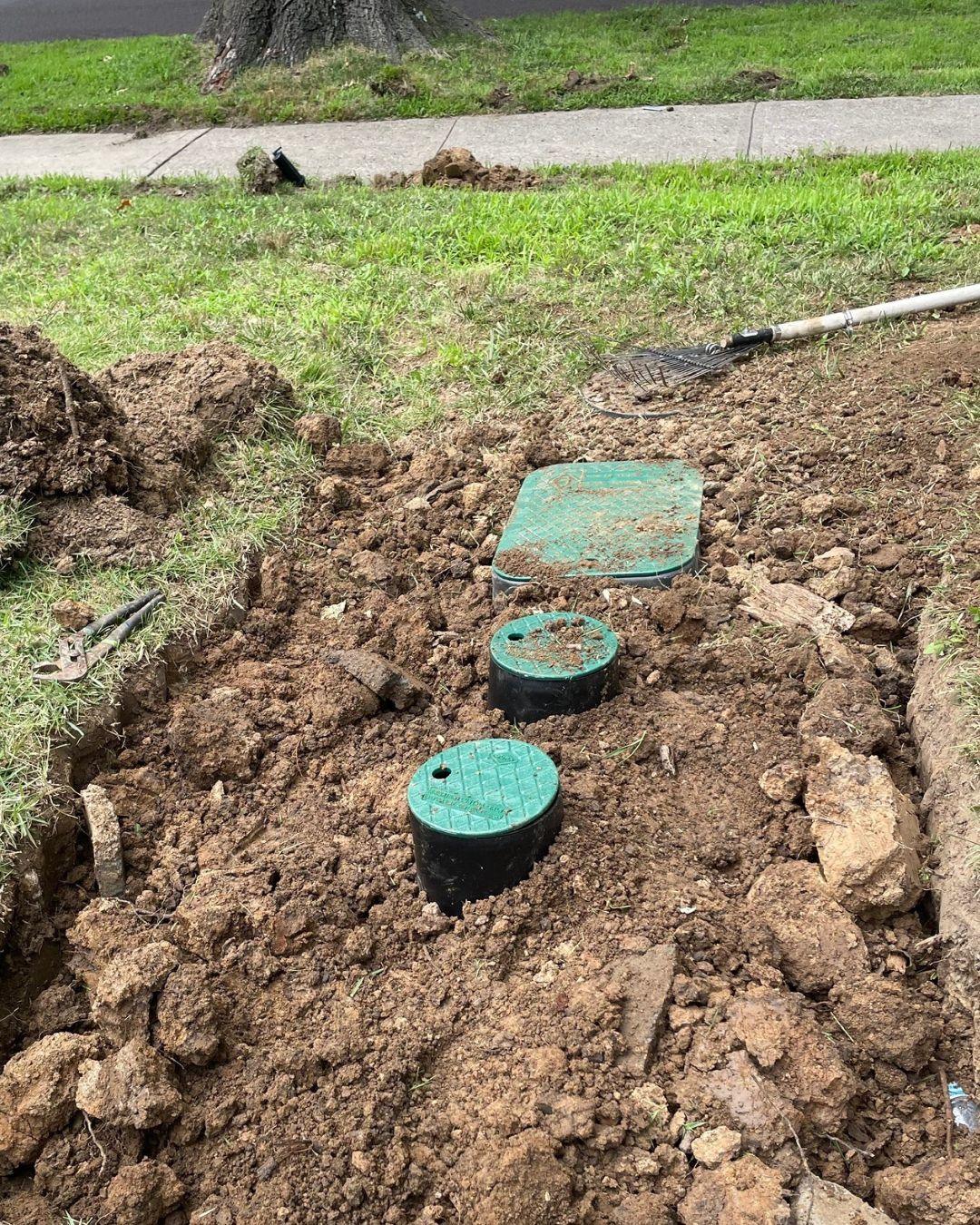 Like any mechanical device, a backflow preventer experiences wear over time.
Inside the assembly are springs, seals, check valves, and other components that must function properly every time your irrigation system operates.
Annual backflow testing verifies that:
- ✔ Both check valves are operating correctly
- ✔ The pressure relief valve is functioning properly
- ✔ The assembly meets local safety requirements
- ✔ Your home’s drinking water remains protected
Many municipalities throughout the Kansas City metro require annual backflow testing for irrigation systems to help protect the public water supply.
When Should a Backflow Preventer Be Tested?
A backflow preventer should be tested once a year by a certified backflow tester.
Many homeowners choose to schedule their annual backflow test during their spring sprinkler start-up because their irrigation system is already being inspected and activated for the season. However, the most important thing is simply making sure it is tested annually, regardless of when you schedule the service.
Annual testing verifies that your backflow preventer is functioning properly and continues to protect your home’s drinking water and the public water supply.
Can I Test My Own Backflow Preventer?
 Unfortunately, no.
Backflow testing requires specialized equipment and must be performed by a certified backflow tester.
During the test, calibrated gauges are connected to the backflow preventer to measure pressure differences and verify that the internal check valves and relief valve are functioning properly.
This process cannot be completed by simply turning on your sprinkler system or visually inspecting the device.
What Happens If My Backflow Preventer Fails?
Don’t panic.
A failed backflow test doesn’t necessarily mean you’ll need a brand-new backflow preventer.
In many cases, worn internal components can be repaired or rebuilt.
If the assembly is damaged beyond repair, replacement may be the safest and most cost-effective option.
A certified irrigation professional can determine whether your backflow preventer can be repaired or whether replacement is recommended.
Signs Your Backflow Preventer May Need Attention
 Most homeowners won’t notice a problem until their annual test, but there are a few signs that may indicate your backflow preventer needs to be inspected:
- Water leaking from the relief valve
- Constant dripping or standing water around the assembly
- Visible corrosion or physical damage
- Low sprinkler pressure
- Your system fails its annual backflow test
If you notice any of these issues, it’s a good idea to have your irrigation system inspected by a certified professional.
How KC Sprinkler Pros Can Help
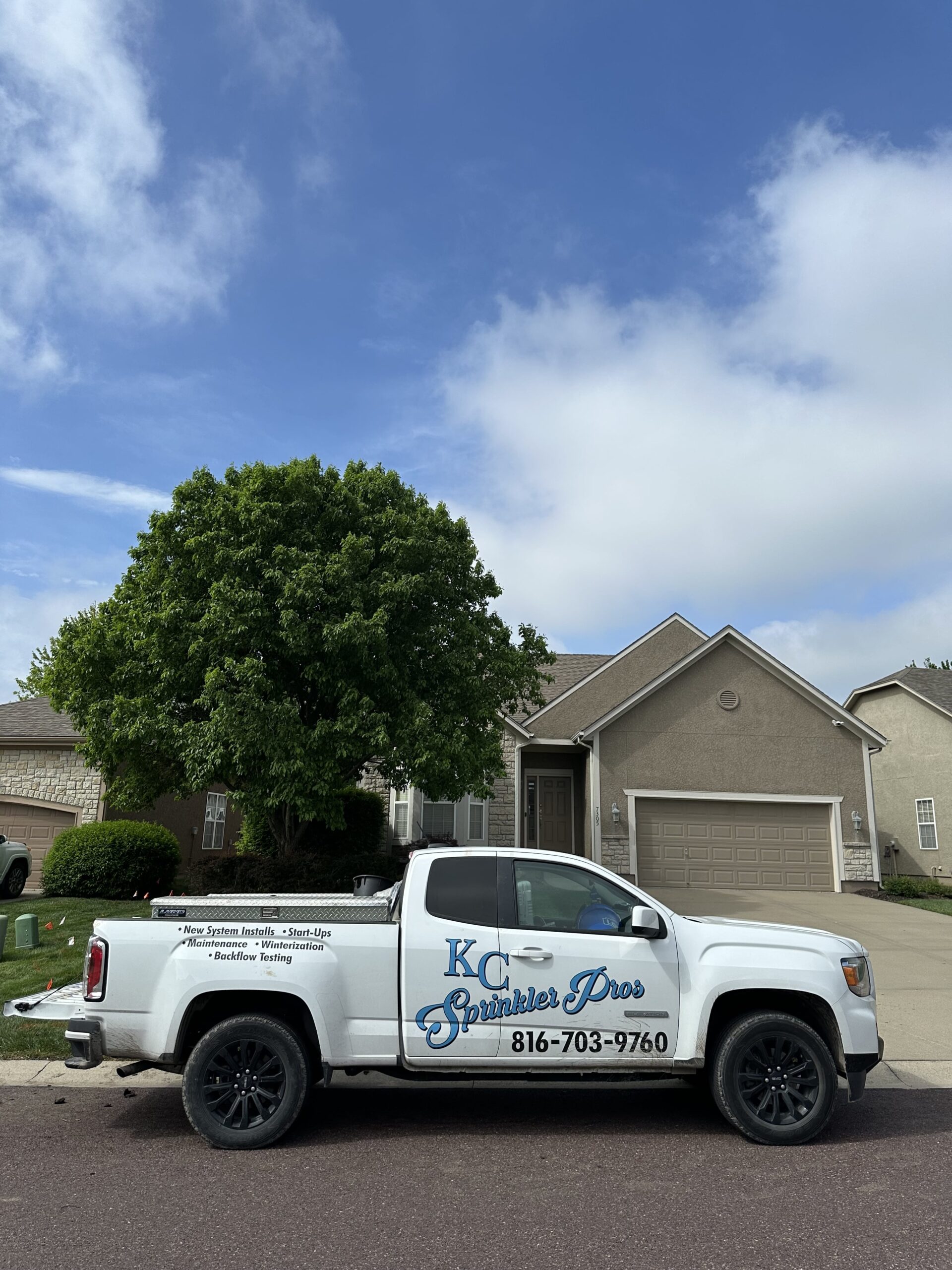 At KC Sprinkler Pros, our certified irrigation specialists don’t just perform annual backflow testing—we inspect your entire irrigation system to help ensure it’s operating safely and efficiently.
Whether you need:
- Certified backflow testing
- Irrigation repairs
- Sprinkler system maintenance
- Controller adjustments
- Water-efficiency audits
- Seasonal irrigation inspections
our experienced team is here to help protect your investment and keep your irrigation system performing its best.
Schedule Your Annual Backflow Test
 Your backflow preventer works quietly behind the scenes every time your irrigation system runs, but it’s one of the most important safety devices protecting your home’s drinking water.
Whether you’re due for your annual backflow test, need an irrigation repair, or want a maintenance audit to make sure your system is operating efficiently, KC Sprinkler Pros’ certified irrigation experts are here to help.
Our team provides:
- Certified backflow testing
- Irrigation maintenance audits
- Sprinkler repairs
- Controller adjustments
- Water-efficiency evaluations
Contact KC Sprinkler Pros today to schedule your annual backflow test or irrigation service. Your lawn—and your water supply—will thank you.